Notes for the journey
Uyuni altitude: acclimatization and altitude illness
Altitude is an itinerary decision rather than a detail solved by a drink on arrival. The salar and lagoons can involve different elevations and sleeping locations. Plan your progression before booking a remote departure.
Compare tours: Salar de Uyuni tours: prices & routes [2026] →
Updated
The short answer
Allow acclimatization time and do not ascend with altitude symptoms. Discuss your circumstances and the circuit’s emergency arrangements with a qualified professional.
What the salar elevation tells you
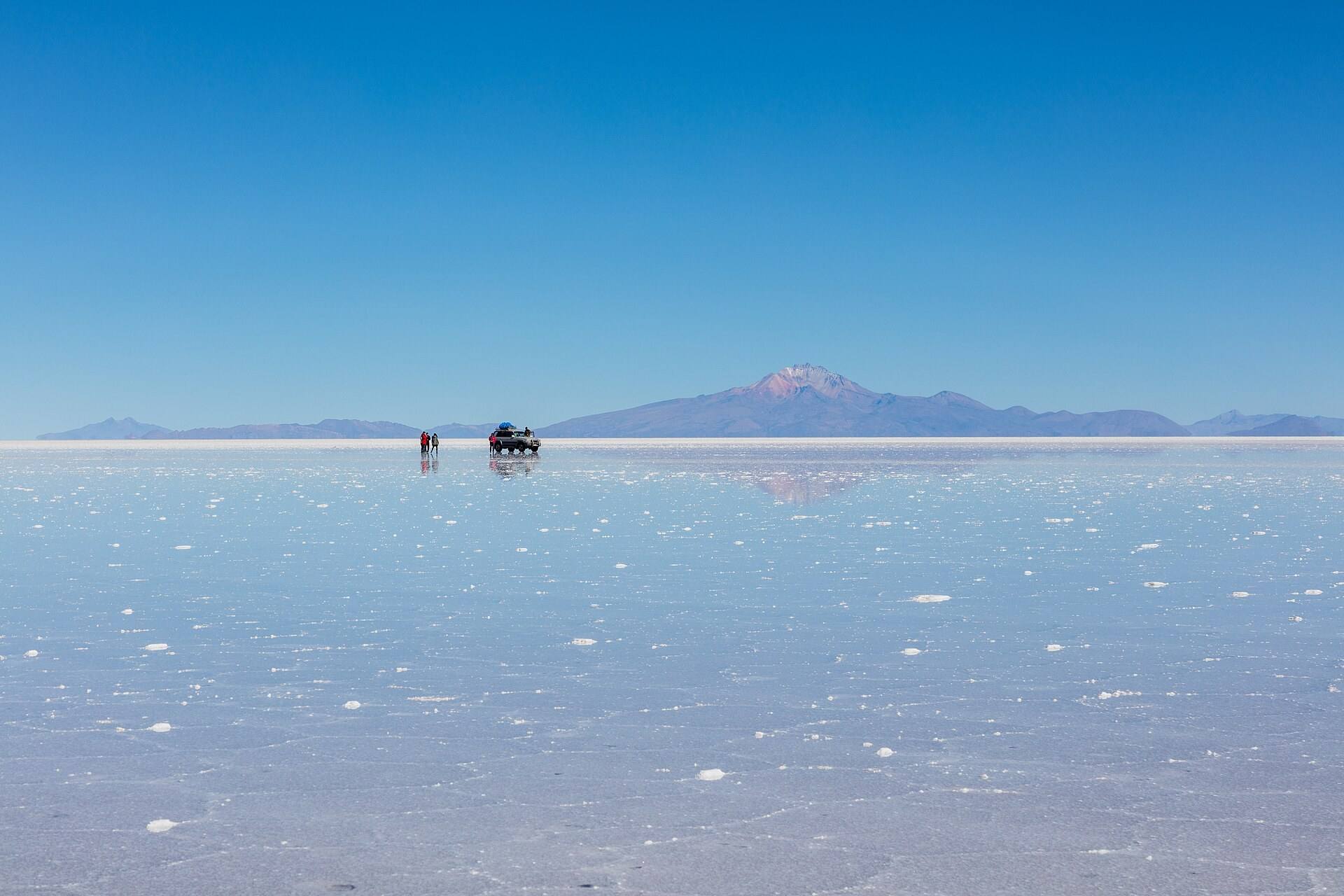
Bolivia Travel gives approximately 3,663 m for the salar, rounded here to 3,660 m because it is not the exact elevation of every stop. Lagoon routes can go higher and sleep outside Uyuni. Ask for each overnight elevation, maximum route elevation and travel time to a place providing assistance.
Plan the ascent
CDC recommends gradual ascent and a gentle initial period at altitude. Travelling by bus does not demonstrate acclimatization: prior elevations and sleeping locations matter. Plan a flexible arrival and avoid intense exertion immediately. Travellers with prior altitude problems or health conditions should seek pre-travel advice; this guide cannot determine individual suitability.
Symptoms to take seriously
Headache, fatigue, nausea or loss of appetite can accompany altitude illness. CDC advises against further ascent with symptoms and recommends descent if they worsen at rest. Confusion, poor coordination or breathing problems require urgent help. Do not use an app as a diagnosis or hide symptoms to keep up with a group: tell the guide and seek assessment.
Questions for your operator and clinician
Ask how the vehicle communicates with base, how the route can change and what happens if somebody needs to descend. Check insurance coverage for planned activities and elevations. Discuss your history, regular medicines and prevention with a clinician rather than taking a dose from a travel guide. Carry personal medication and allow for delays. Food, warmth and rest support comfort but do not replace care when symptoms occur.
Take the actual itinerary to a pre-travel consultation
Bring the day-by-day route, the highest planned point and the sleeping location for every night. A clinician can assess a concrete ascent more usefully than a general statement that you are visiting Bolivia. Include where you will have slept in the preceding days, any past response to altitude and the activities you hope to do. A salar day and a remote multi-day crossing should be discussed separately.
Ask the operator for those elevations in writing. If it cannot identify the overnight location yet, ask what range of alternatives it uses and when the assignment becomes definite. Do not substitute a photograph of a hotel or the elevation of Uyuni for the place where you will actually sleep.
Agree a response that does not depend on finishing the tour
Before departure, establish how you tell the guide about symptoms, who communicates with base, how a route can be shortened and how a descent or transfer for care would be arranged. A vehicle carrying oxygen does not establish the capacity to assess or evacuate every medical problem. Ask about staff training and assistance rather than accepting the existence of equipment as a complete plan.
For travel insurance, describe the intended elevations and activities accurately and check the applicable assistance process. Keep policy details, personal medicines and necessary documents accessible. Do not take a preventive prescription from another traveller or change treatment simply to preserve a booking. If illness develops, communicate it early; the important decision is what care and itinerary change you need, not how to keep the original list of stops intact.
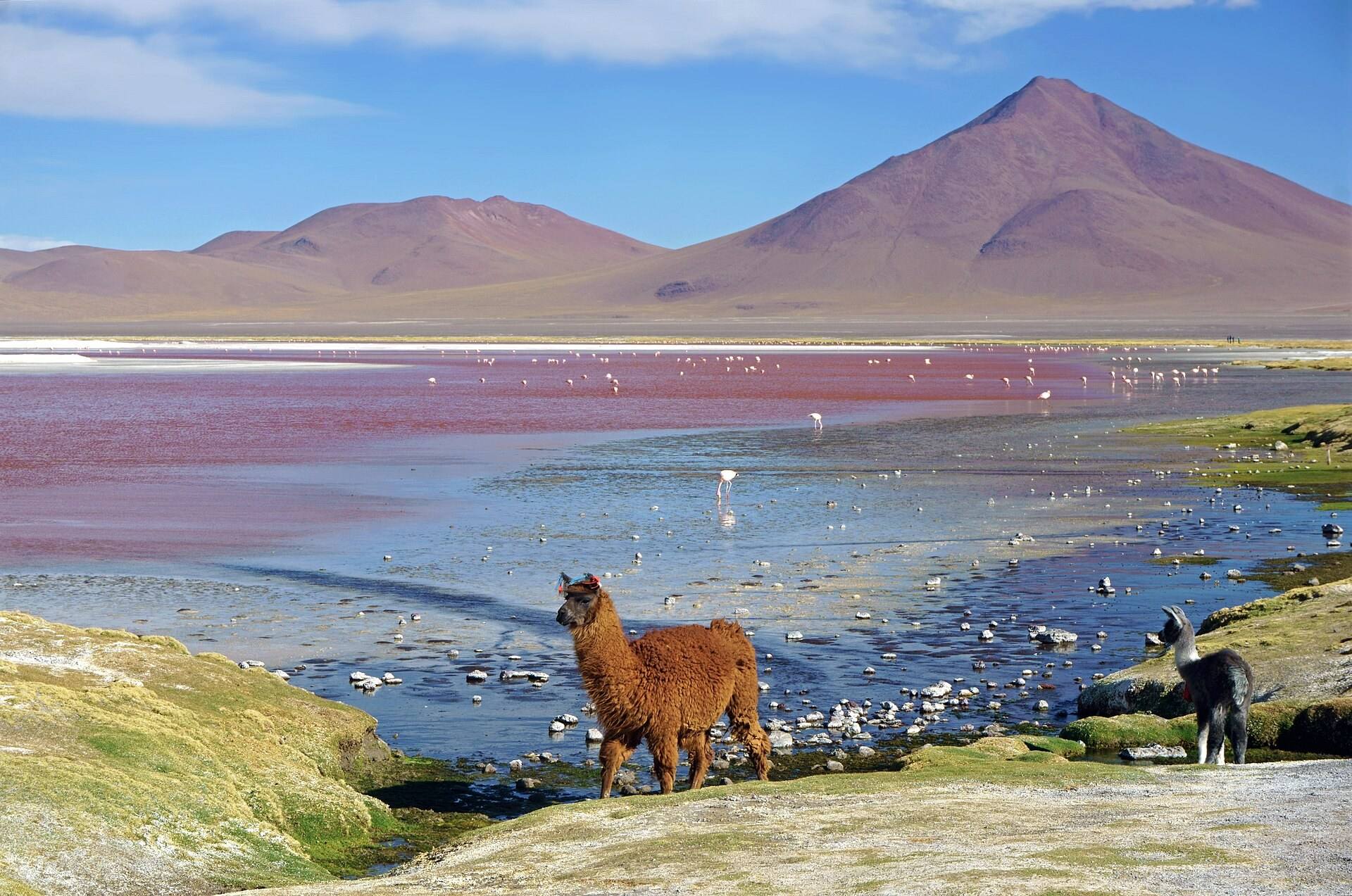
Llamas beside Laguna Colorada with mountains behind.
Sources & last checked
Checked 20 October 2026. Prices, access and transport can change; confirm with the linked official source before travelling.
Plan your trip
Compare tours
Check current dates, inclusions and availability on GetYourGuide.
We may earn a commission on bookings through these links. How this works.