A landscape with two seasons
Bolivia salt flats: plan your Salar de Uyuni trip
The Bolivia salt flats are the Salar de Uyuni in the country’s southwest. The white plain and its wet-season reflections are one destination; the colored lagoons, geysers and desert crossings often sold alongside them are a much longer journey.
Updated
The short answer
Choose the landscape first, then the itinerary. A salt-flat day trip and a three-day altiplano circuit solve different travel plans.
Where the trip actually starts
Uyuni is the main town used by many tour departures, while Colchani is the salt-working village near the edge of the salar. The salt flat covers approximately 10,582 square kilometres at roughly 3,660 metres above sea level. It is a vast landscape rather than a single viewpoint.
Check whether pickup means Uyuni town, its airport, a bus terminal or your particular salt hotel. A hotel advertised with an Uyuni address can still be outside the ordinary town pickup area.
Mirror season is a window, not a guarantee
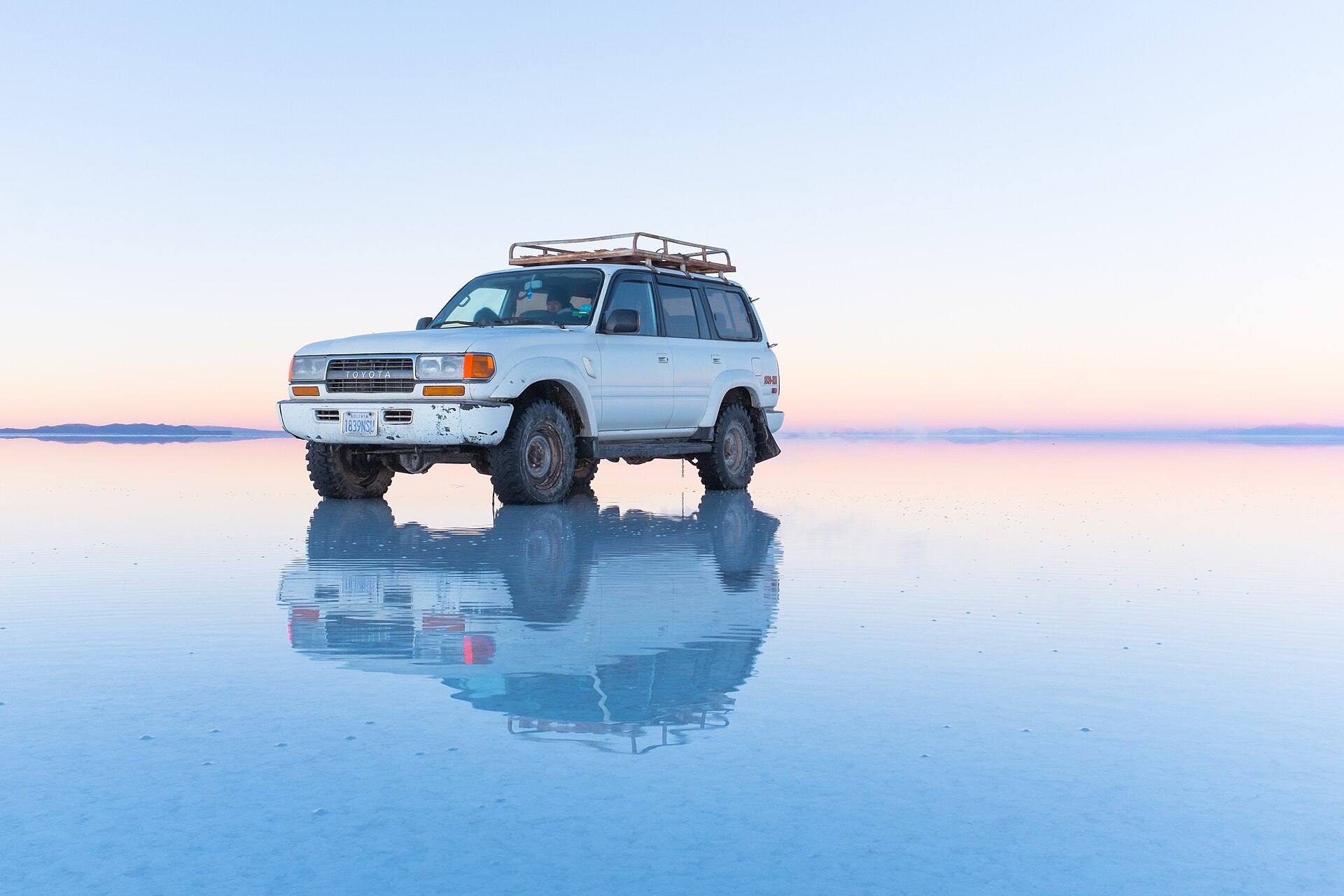
Bolivia’s official destination brochure places the rainy season broadly between December and April. A shallow layer of water can create the familiar reflection, but wind, clouds, water depth and the accessible route all affect the result.
A drier surface offers salt textures and perspective photographs instead. If Incahuasi is essential to your plans, ask whether it is currently reachable. Do not book a wet-season tour on the assumption that every dry-season stop will operate.
Day trip or multi-day circuit?
A day tour normally concentrates on the salar and nearby stops. A longer circuit can continue into southwestern Bolivia’s lagoons and Eduardo Avaroa reserve, with additional driving and accommodation. Read the complete itinerary instead of assuming every three-day product follows the same route.
| Choice | Useful for | Check carefully |
|---|---|---|
| One salar day | A short Uyuni visit | Sunset, lunch and island access |
| Three-day circuit | Lagoons and desert landscapes | Sleeping altitude and room arrangements |
| Chile-ending route | Continuing to San Pedro | Border processing and final transfer |
Read inclusions as part of the itinerary
The total changes with language, private versus shared transport, room type and the direction of travel. Ask about reserve and island admissions, hot springs, drinking water outside meals, sleeping bags and hot showers. A salt-hostel night does not promise identical facilities at a remote refuge.
Compare quotes for the same travel date and party. Treat platform prices as live offers rather than permanent destination facts, and carry bolivianos for confirmed local extras.
Build time around the tour
Allow a gentle arrival period at altitude. The lagoon circuit can travel considerably higher than the salar, so ask about both maximum elevation and overnight locations before choosing it. Personal medical questions belong with a travel-health professional.
Leave space between the expedition and onward flights. Roadblocks, fuel availability and weather can affect transport in Bolivia. Reconfirm the road journey and pickup shortly before departure, and pack warm layers, sun protection and suitable footwear.
Sources & last checked
Checked 20 October 2026. Prices, access and transport can change; confirm with the linked official source before travelling.
Plan your trip
Compare tours
Check current dates, inclusions and availability on GetYourGuide.
We earn a commission on bookings through these links. How this works.